
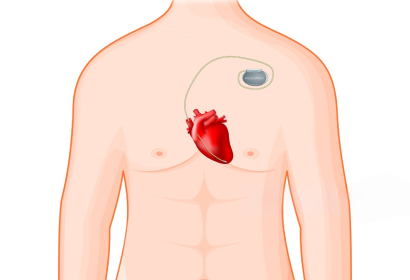
Cardiac Resynchronization Therapy (CRT)
Cardiac Resynchronization Therapy (CRT) is a specialized pacemaker therapy used to improve heart function in patients with heart failure and electrical conduction abnormalities. CRT helps coordinate (synchronize) the contraction of the heart's two ventricles, improving efficiency and reducing symptoms.
Types of CRT Devices
- CRT-P (Cardiac Resynchronization Therapy – Pacemaker): helps synchronize the heart's electrical activity to improve heart function.
- CRT-D (Cardiac Resynchronization Therapy – Defibrillator): in addition to pacing therapy, includes a built-in defibrillator that can deliver shocks to correct life-threatening rhythms such as ventricular tachycardia or fibrillation.
What to Expect During the Procedure
- The procedure is performed under local anesthesia with sedation, meaning you will be awake but comfortable.
- A small incision will be made near the collarbone to create a pocket for the CRT device.
- Two or three leads (thin wires) will be inserted through veins and guided to the heart: one in the right atrium, one in the right ventricle, and one in a vein over the left ventricle to improve synchronization.
- The CRT device will be tested to ensure proper function before the incision is closed.
- The procedure typically takes 1 to 3 hours.
- If a CRT procedure is not possible, your doctor may choose to perform a different type of pacemaker such as Conduction System Pacing.
Risks Involved
While CRT implantation is a routine and safe procedure, potential risks include:
- Bleeding or bruising at the insertion site.
- Infection at the device site, which may require antibiotics or, in rare cases, removal of the device.
- Lead displacement, which may require repositioning in a follow-up procedure.
- Pneumothorax (collapsed lung), a rare complication due to accidental lung puncture during lead placement.
- Cardiac perforation. In extremely rare cases, open-heart surgery may be needed.
- Inappropriate shocks (CRT-D only), where the device delivers a shock when it is not needed, requiring device reprogramming.
- Allergic reaction to anesthesia or contrast dye (if used during the procedure).
What to Expect After the Procedure
- Mild pain, swelling, or bruising at the incision site, which should improve over several days.
- Restricted arm movement on the side of the device for 4-6 weeks to allow proper healing.
- Follow-up appointment will be scheduled within a few weeks to check device function and incision healing.
- The CRT device battery typically lasts 5-15 years, depending on usage and type (CRT-P vs. CRT-D).
Activity and Lifestyle Adjustments
- Avoid lifting heavy objects or raising the arm above shoulder level on the affected side for at least 4-6 weeks.
- Most routine activities, including walking and light exercise, can be resumed the next day.
- Inform airport security about your CRT device, as it may set off metal detectors.
- Avoid strong magnets and electrical fields. If your occupation involves exposure to high electrical fields (e.g., arc welding), consult your doctor.
- Driving restrictions may apply if you have received a CRT-D for high-risk arrhythmias — your doctor will provide specific guidance.
When to Seek Medical Attention
Go to the Emergency Room if you experience:
- Severe pain, redness, swelling, or discharge at the CRT site. (If mild, contact our ICD clinic for an urgent appointment.)
- Persistent dizziness, shortness of breath, or extreme fatigue.
- Sudden swelling of the arm on the side of the CRT device.
- Palpitations or an irregular heartbeat.
- If you receive a shock from a CRT-D and feel unwell, or if you receive multiple shocks.
Follow-Up Care
- You will have a follow-up visit within 2-6 weeks to check CRT function.
- Routine CRT checks are needed every 6-12 months to monitor battery life and device performance.
- If you experience worsening heart failure symptoms or unexpected shocks (CRT-D), contact our office for evaluation.
Questions about this procedure?
Our office is here to help. Patients are seen by referral only.